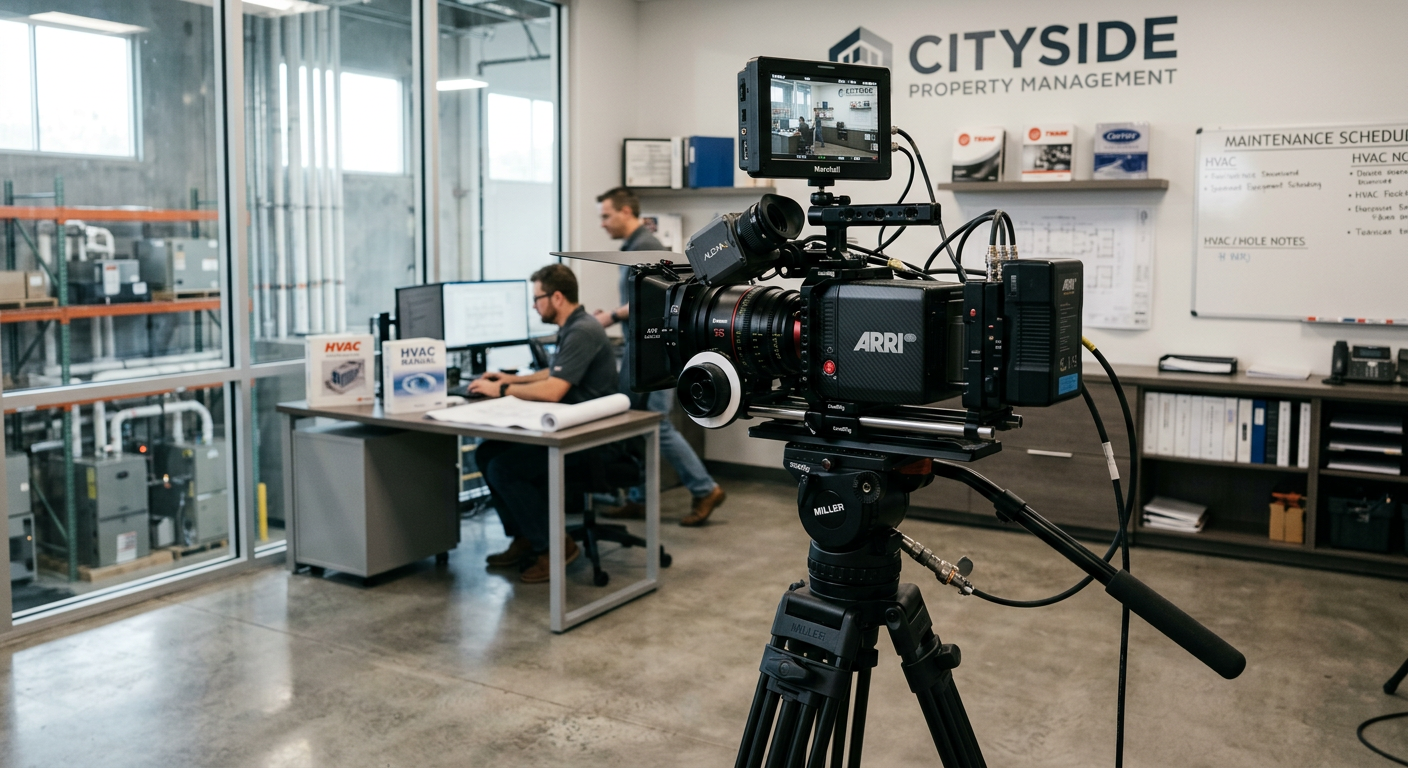
Small business video production costs vary based on project scope, but most professional quality videos require a dedicated budget for planning, filming, and post-production. At Pfeiffer Digital, we quote video work on a per-project basis after a brief because factors like equipment needs, location requirements, and the complexity of the edit change the price for every operator.
What are the main factors that drive the price of a business video?
The cost of your video is driven primarily by the complexity of the shoot and the labor hours required in the editing room. While a short social clip might seem simple, the logistics of lighting, sound, and multiple camera angles require specific expertise and time. Five specific drivers determine where your project lands on the price scale.
- Video Length: A longer finished video usually means more footage to sort through and more time spent on color grading and sound mixing.
- Number of Format Cuts: If you need the same video in horizontal for YouTube, vertical for Instagram Reels, and a 30-second teaser for LinkedIn, each "cut" adds to the editing labor.
- Original vs. Existing Footage: Sending a crew to your job site or office costs more than editing a "sizzle reel" from footage you already own or stock assets.
- Revision Rounds: Every time a project goes back to the editor for changes, it adds hours to the total project cost; most fixed quotes include a set number of revisions.
- One-off vs. Ongoing: Producing a single "About Us" video typically costs more per minute than filming a batch of twelve educational videos in a single day.
Why does the number of formats matter for the budget?
Creating multiple versions of the same video for different social media platforms requires the editor to manually re-frame shots, adjust text overlays, and ensure the pacing works for each specific medium. You cannot simply crop a horizontal video into a vertical one without losing important visual information or cutting off someone’s face. Each version you request is essentially a mini-project that requires its own export, review, and finishing steps. If you are planning a campaign across several channels, discussing these video production needs early allows for more efficient filming.
How does original footage compare to using stock or existing assets?
Original footage provides the highest level of trust and authenticity for your business, but it carries the overhead of travel, equipment rental, and on-site labor. Using existing footage or professional stock assets can lower the entry price, but it often lacks the personal connection that service business customers look for. For HVAC contractors or property managers, showing your actual trucks, your actual team, and your actual office builds a level of "know, like, and trust" that generic footage cannot replicate. If you have high-quality clips from past projects, we can often integrate them to balance the budget while keeping the "field feel" intact.
Is a one-off video better than a video subscription or batch?
Batching multiple videos into a single production day is the most cost-effective way to create content because it spreads the setup and travel costs across several deliverables. When a crew arrives at your location, the first two hours are often spent unloading gear, setting up lights, and testing audio. If you only film one 90-second video, that setup time makes the "per minute" cost very high. If you film five short "Frequently Asked Questions" videos in that same session, your cost per asset drops significantly. This is similar to how we look at efficiency in other parts of the business, such as how an AI receptionist costs significantly less than a 24/7 human staff because it handles high volume without extra overhead.
What should you prepare before asking for a quote?
You should define your primary goal and your target audience before reaching out to a production company. Knowing whether you need a high-end commercial for a website header or a series of authentic "day in the life" clips for social media helps the producer right-size the equipment and crew for the job. If you come to the table with a clear "shot list"—a list of specific things you must see on screen—the quoting process will be much faster and more accurate. Without a clear plan, projects often suffer from "scope creep," where new ideas are added mid-way through, leading to unexpected costs.
When is professional video production the wrong fit?
Professional production is likely the wrong fit if you are just starting out and still testing your service offerings or if you need to post high-frequency, "raw" updates on social media. Authenticity often beats high production value for quick daily updates or "behind the scenes" stories; a smartphone is usually sufficient for those. If you do not have a clear plan for how the video will generate a return—either through sales, recruitment, or saved time—spending thousands on a polished film is a poor use of capital. You should only invest in professional video when you have a specific message that needs to look as professional as the service you provide.
A product distributor saves 50–75 hours a month on invoices and purchase orders prepared for human review. Results depend on the work being automated.
How do we handle pricing at Pfeiffer Digital?
We provide custom quotes for every video project because no two businesses have the same needs. We start with a conversation to understand what you are trying to achieve, followed by a brief that outlines the scope. This ensures you aren't paying for a massive crew when a single filmmaker will do, or vice versa. Our Free AI Audit is a free 30-minute call with Jon to look at where your business is losing time or leads and map where AI fits. You leave with a straight recommendation. No cost, no obligation. Builds are scoped and agreed in writing before work starts.
By Jon Pfeiffer, Founder of Pfeiffer Digital
Jon Pfeiffer is the founder of Pfeiffer Digital in Oconomowoc, Wisconsin. Before that he led partnerships and customer success at StellarAlgo, a data platform for pro sports teams, and OwnBackup, and ran customer success and sales at Quicket Solutions.
Frequently Asked Questions
What are the main factors that determine video cost?
The five biggest factors are the length of the final video, how many different formats you need (like vertical vs. horizontal), whether we are shooting new footage or using existing assets, the number of revision rounds requested, and whether the project is a one-off or part of an ongoing series. Each of these impacts the labor hours required for filming and editing.
How can I reduce the cost of my business video?
Batching is the most effective way to save money. By filming multiple videos in a single day, you spread the cost of setup, travel, and equipment across several pieces of content. This significantly reduces the 'per-video' cost compared to hiring a crew for a single short clip.
Is professional video production worth the cost for a small business?
Professional video is an investment in your brand's authority. While a smartphone is great for daily social updates, a professional production is necessary for your website's home page, high-stakes recruitment ads, or "About Us" videos where the quality of the video reflects the quality of your service. If the goal is long-term trust, go professional.